
Slips and Falls in the Workplace
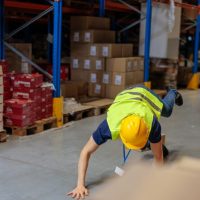
With fall approaching, temperatures will start to cool down. These colder temperatures will turn to icy conditions in some areas. This means slips and falls will become more common.
However, it is important to note that slips and falls can happen anytime of the year, and they are a year-round issue in the workplace. Wet floors, uneven surfaces, clutter, broken steps, and cords can cause someone to slip or trip. The result is often a serious fall. In extreme cases, these falls can result in fatal injuries.
While some workplace falls result in relatively minor injuries, others can cause broken bones, head injuries, spinal trauma and other conditions that require extensive medical treatment. Understanding common hazards and knowing what to do after an accident can help employees protect themselves and preserve important documentation.
Here is a look at some common causes of slips and falls.
Wet or Slippery Floors
Water, oil, cleaning products and other substances can make walking surfaces dangerously slick. Floors may become wet because of spills, leaks, mopping, tracked-in rain or problems with plumbing or equipment. Businesses should promptly clean spills and use appropriate warning signs when floors are wet.
Uneven Walking Surfaces
A damaged floor, broken tile, torn carpet or uneven pavement can create a serious tripping hazard. Small changes in elevation may be difficult to see, particularly in areas with poor lighting. Outdoor workplaces may present additional risks, including potholes, cracked pavement and damaged sidewalks.
Clutter and Obstructions
Boxes, tools, equipment and other objects left in walkways can cause workers to trip. Construction sites and warehouses may be particularly vulnerable because materials and equipment are frequently moved from one location to another. Keeping aisles, hallways and emergency exits clear can reduce these risks.
Electrical Cords and Cables
Temporary workstations, offices and construction sites may have numerous cords and cables running between equipment and electrical outlets but they can become trip hazards when they cross walkways. Whenever possible, cords should be secured or positioned away from areas where employees walk.
Falls From Stairs and Ladders
Stairs and ladders can produce particularly serious injuries because workers may fall from a significant height. Missing or damaged handrails, poorly maintained steps, inadequate lighting and improper ladder use can increase the risk. Employees should use ladders designed for the task rather than chairs, boxes or other makeshift substitutes.
Poor Lighting
Employees may not be able to see potential hazards. Dim hallways, poorly illuminated stairwells, and dark parking lots can make obstacles and changes in elevation difficult to identify. Employers can help reduce these dangers by maintaining adequate lighting and promptly replacing burned-out bulbs or repairing lighting systems.
Contact Us Today
The workplace can be a dangerous place. No matter where or when you work, it is important to be aware of slip and fall hazards.
If you have suffered injuries, contact a Mt. Juliet slip & fall lawyer from The Law Offices of Christopher Eads, PLLC for help with your case. We understand the premises liability laws involved and will help uncover necessary evidence. Schedule a consultation today by calling (615) 622-6060 or filling out the online form.
Source:
https://www.wsoctv.com/contributor/slips-falls-work/U4CQRJ2SHE3SZBLZJIJLY4UMXY/
